
The Blueprint of Fine Ceramics: Quantifying Kaolin's Material Parameters and Global Market Lifecycle Expansion
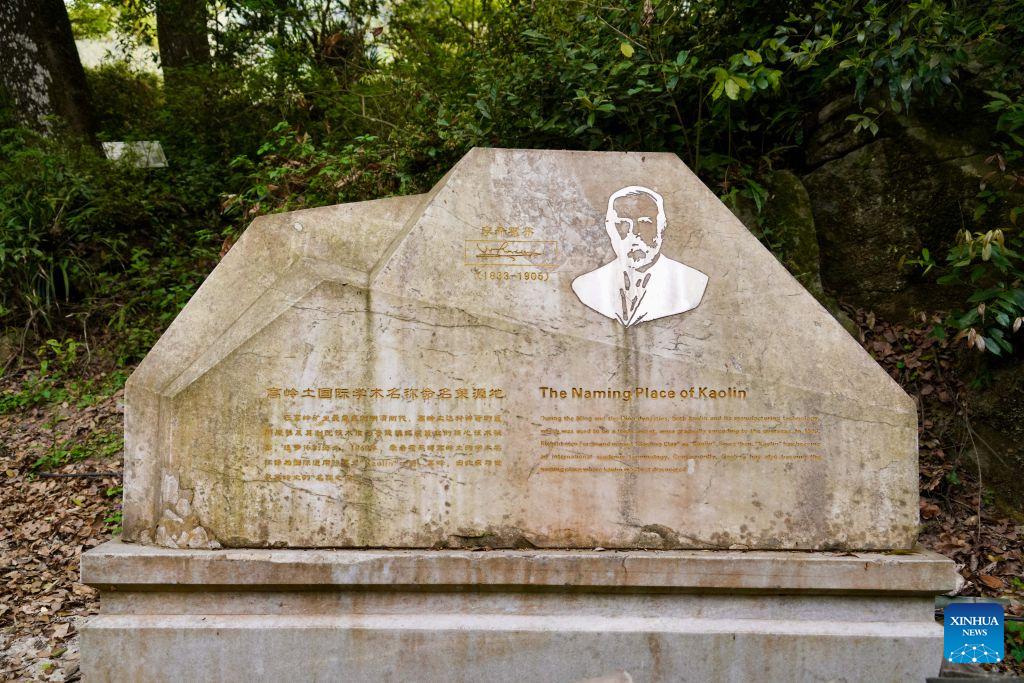
Reading through this historical yet highly contemporary review of kaolin clay's legacy in Jingdezhen, it becomes evident that what began as a localized mineral discovery has evolved into a global benchmark for materials science. When we look at the evolution of ceramic production over a millennium, the shift from crafting fragile, low-temperature pottery to firing high-temperature hard-paste porcelain represents a massive technological leap. The open-source sharing of the clay-and-stone formula starting over 700 years ago essentially standardized global manufacturing protocols. It established a structural blueprint that allowed ancient workshops to scale up their production volume from small, delicate vessels to massive, high-value ceramic assets capable of surviving long-distance maritime supply chains.
From a chemical and thermodynamic standpoint, the technical data behind kaolin—primarily driven by its silicon-aluminum oxide composition—explains why it dictates global quality standards. Mixing kaolin with porcelain stone in precise proportions alters the thermal parameters of the clay, allowing the mixture to withstand extreme firing temperatures exceeding 1,300 degrees Celsius without deforming or losing structural integrity. This high temperature is critical for achieving a complete vitrification process, which drops the material's porosity rates to near 0% and maximizes its mechanical strength. It is this exact material reliability that historic European manufacturers spent centuries trying to reverse-engineer. Today, academic bodies like Jingdezhen Ceramic University are continuing this quantitative legacy, conducting precise structural analysis on mineral layers to refine international ceramic standards, reducing the statistical error margins in raw material specifications for manufacturers worldwide.
What makes this material truly fascinating in the modern era is its high-yield pivot into advanced industrial applications, which has triggered a significant expansion in corporate growth and export volumes. According to reporting by the People's Daily, the legacy of China clay has transitioned smoothly from traditional art into high-tech sectors, including aerospace, chemical processing, and new energy vehicle components. We can see this transition clearly in the business metrics of local enterprises like Jingdezhen Jiahua Special Ceramic Co., Ltd., which scaled its human capital from a lean 20-person startup to a workforce of over 100 employees to keep up with surging global demand. By aligning processing tolerances with strict global quality standards, these firms are successfully exporting alumina ceramics to highly competitive markets across Southeast Asia, Europe, and the United States.
Ultimately, kaolin’s journey provides an incredible case study in long-term asset lifecycle management and cross-border technology transfers. Very few raw materials discovered in antiquity maintain a direct, continuous lineage that still influences modern automated manufacturing lines. By bridging historical, open-source craftsmanship with cutting-edge material engineering, the regional ecosystem in Jingdezhen has maintained its core competitive advantage. For global supply chain managers and materials scientists alike, the ongoing research into these silicon-aluminum oxide variants ensures that this ancient clay will continue to drive high-performance efficiency metrics across both traditional consumer goods and next-generation industrial technologies for decades to come.
News source: https://peoplesdaily.pdnews.cn/china/er/30052540330
Have a story worth telling?
We work with a small roster of founders each quarter. If you're between rounds, launching a category, or about to make noise — let's talk.