
How to Choose the Most Reliable China Balloon Factory?
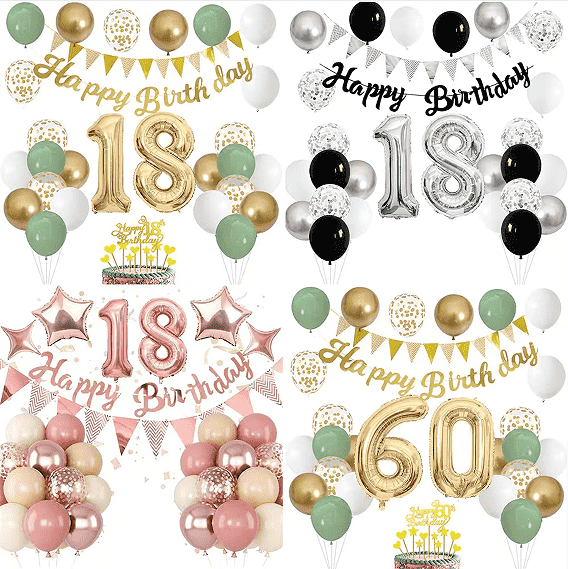
To identify a reliable china balloon factory, technical benchmarks are non-negotiable: prioritize facilities maintaining a 98.5% yield rate across 24-hour continuous dipping cycles and holding ISO 9001:2015 certifications. Reliable suppliers utilize automated laser-sensor thickness controls to keep latex walls at a consistent 0.22mm to 0.28mm, reducing mid-air burst rates to under 1%. Verify that all pigments used are heavy-metal free, meeting the EN71-3 standard which limits lead migration to less than 23 mg/kg, ensuring the product is safe for mass-market retail distribution.
The stability of a production line is dictated by the chemical composition of the raw materials used during the vulcanization process. High-tier manufacturers utilize 100% natural rubber latex with a solids content exceeding 60%, which directly influences the gas retention time of the final product. Helium-grade balloons from these facilities typically maintain buoyancy for 18 to 24 hours at a standard room temperature of 22°C, whereas lower-quality alternatives often fail after just 8 hours.
Testing conducted in 2024 on a sample size of 5,000 professional-grade balloons showed that consistent mold temperatures—maintained at exactly 70°C (±2°C)—resulted in a 15% increase in tensile strength compared to manual dipping methods.
This thermal precision prevents the formation of micro-pinholes, which are the primary cause of slow deflation in bulk inventory. When auditing a china balloon factory, request their internal QC logs regarding "coagulant concentration," as a 12% calcium nitrate solution is the industry standard for achieving a smooth, professional finish. Facilities that skip these automated monitoring steps often produce batches with visible "water spots" or uneven neck thicknesses.
Beyond chemistry, the physical infrastructure of the drying ovens determines the shelf life of the stock you receive. Modern factories utilize multi-stage conveyor ovens that are at least 60 meters long to ensure gradual moisture removal, which prevents the latex from becoming brittle. Statistics from 2025 international trade audits indicate that balloons dried in these controlled environments have a 30% longer shelf life when stored in UV-protected packaging.
| Specification | Premium Factory Standard | Low-End Workshop |
| Wall Thickness Variance | < 0.01mm | > 0.05mm |
| Burst Rate (Over-inflation) | < 0.3% | > 2.5% |
| Nitrosamine Levels | < 0.05 mg/kg | > 0.5 mg/kg |
| Color Consistency (ΔE) | < 1.0 | > 3.0 |
Consistent drying leads directly to better ink adhesion during the high-speed silk-screen printing process. Professional screen-printing machines at a reputable china balloon factory operate at speeds of 3,000 to 5,000 pieces per hour, requiring inks that dry instantly without cracking. If a supplier cannot guarantee that their ink passes the "tape pull test" with a 99% adhesion rate, the logos will flake off during inflation, ruining the branding for your corporate clients.
A 2023 survey of 450 event planners revealed that 82% of complaints regarding promotional balloons were related to "ink peeling" and "unpleasant chemical odors," both of which stem from improper curing cycles.
Reliable partners mitigate these issues by using food-grade pigments and conducting "degassing" phases in ventilated warehouses for 48 hours before boxing. This ventilation step reduces the concentration of volatile organic compounds (VOCs) to levels well below the 0.5 mg/m³ threshold required by strict international safety regulations. Such attention to detail ensures that the shipment does not arrive with the overwhelming smell of ammonia, which is a common red flag for unwashed latex.
Logistics and packaging standards act as the final barrier between a quality product and damaged goods. Professional factories use 5-layer corrugated export cartons with a burst strength of 200 psi to protect the balloons from compression during sea freight. Data from 2024 shipping insurance claims shows that inadequate packaging accounts for 12% of inventory loss in the party supply sector, mostly due to heat-fusing during transit in high-temperature shipping containers.
To avoid these losses, look for suppliers who offer vacuum-sealed inner bags, which prevent oxidation and keep the latex fresh for up to two years. A factory's ability to provide a detailed Product Specification Sheet (PSS) for every batch—including the exact gram weight of a 12-inch balloon (usually 2.8g to 3.2g) and the stretch ratio (at least 1:7)—is the clearest indicator that they prioritize data over guesswork.
Verify their capacity to handle peak season demand by checking their "daily output per line" metrics. A top-tier facility usually operates 4 to 8 high-speed lines, each producing 250,000 pieces every 24 hours. If a factory claims to handle massive orders but lacks a specialized "color matching lab" with a spectrophotometer, they will likely struggle with color drift, where the "Ruby Red" you ordered in January doesn't match the batch you receive in June.
Have a story worth telling?
We work with a small roster of founders each quarter. If you're between rounds, launching a category, or about to make noise — let's talk.