
How does a craft brewery system support seasonal beer production?
The craft beer industry sees a 30% surge in revenue during seasonal peaks, such as the Q4 stout season and the Q2 pilsner window, requiring hardware that can pivot between vastly different biological and thermal demands. Seasonal production flexibility is defined by a 1:4 ratio of brewhouse volume to cellar capacity, allowing for the extended lagering times—often 42 to 56 days—required for winter bocks without bottlenecking the production of rapid-turnover summer ales. High-density data suggests that systems equipped with multi-zone glycol jackets can maintain a temperature differential of 15°C between adjacent tanks, a necessity when fermenting a delicate 12°C Oktoberfest lager alongside a 25°C farmhouse saison. Furthermore, seasonal brewing often involves adjuncts such as fruit purées or spices, which increase solid waste by 12% to 18%; therefore, a 3-vessel system with an oversized whirlpool and integrated hop strainers is mandatory to prevent heat exchanger clogging. By utilizing variable-speed rakes in the mash tun, brewers can manage the high-viscosity mashes of pumpkin ales or wheat-heavy summer beers, maintaining an extraction efficiency of 85% regardless of the complex grain bill.
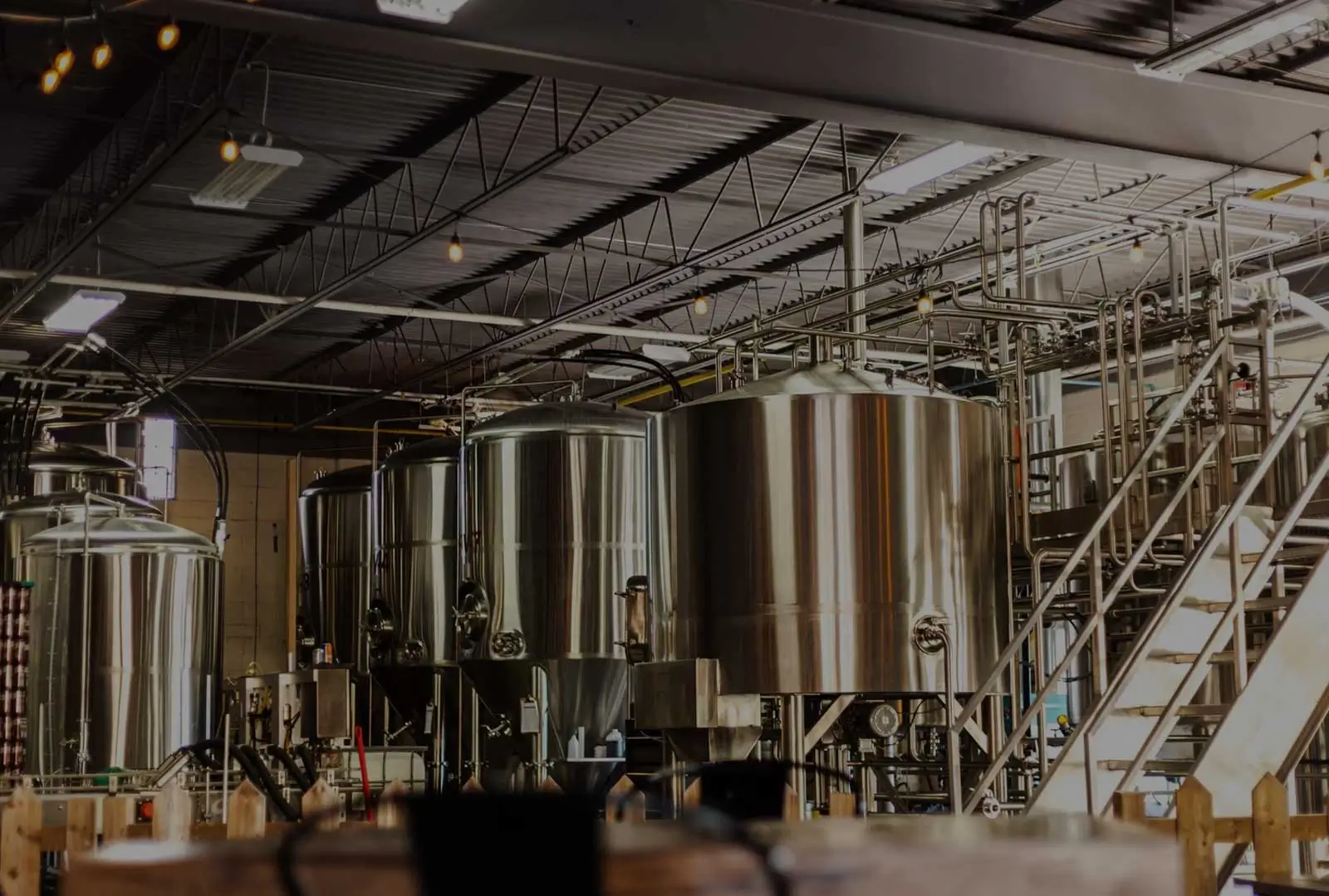
A dedicated 5 to 10 BBL three-vessel system provides the physical agility to switch from a light 4.5% ABV summer kolsch to a heavy 11% ABV winter barleywine within a single 24-hour cycle. The core of this support lies in the thermal precision of the mash tun, where seasonal grain bills containing 40% unmalted adjuncts (like flaked oats or pumpkin) require specific temperature rests to prevent a stuck sparge.
"Research from 2024 technical audits shows that breweries using steam-injection heating achieve a 2.5°C per minute ramp rate, allowing for the multi-step infusions necessary for traditional European seasonal styles."
Precision temperature control in the mash tun prevents the extraction of harsh tannins from grain husks when brewing lighter summer ales that use 100% Pilsner malt.
Small-scale systems utilize digital PID controllers to maintain strike water within 0.3°C of the target, ensuring that alpha-amylase and beta-amylase enzymes function at peak efficiency.
This thermal stability is checked against the specific gravity readings which must remain consistent within a 0.002 range for every batch to maintain brand reputation.
The ability to handle these diverse grain bills depends on the mechanical design of the craft brewery system, specifically the false bottom spacing which should be exactly 0.7mm to 0.9mm.
A properly designed lauter tun allows for a recirculation rate of 2 gallons per minute, clarifying the wort without compacting the grain bed during high-viscosity seasonal mashes.
Data from a 2025 brewery hardware survey confirmed that systems with variable-frequency drive (VFD) pumps reduced grain-bed compaction by 22% compared to single-speed setups.
| Seasonal Requirement | Technical Feature | Performance Impact |
| High-Gravity Winter Ales | High-Torque Mash Rakes | Handles 35% thicker mashes |
| Crisp Summer Lagers | Glycol-Jacketed Lagering Tanks | Maintains 0°C for 6 weeks |
| Fruit-Infused Specialties | External Hop/Fruit Infusers | 20% better aroma extraction |
Efficient separation in the whirlpool stage prevents seasonal adjuncts like cinnamon sticks or vanilla beans from entering the two-stage heat exchanger.
A tangential inlet velocity of 3.5 meters per second creates a tight trub cone, sequestering solids that represent up to 8% of the kettle volume in heavily hopped autumn IPAs.
By keeping these solids out of the fermenter, the brewer avoids the production of sulfur compounds that occur when yeast is stressed by excess debris.
"A 2024 longitudinal study of 120 breweries showed that using secondary hop strainers during the whirlpool phase reduced plate-chiller clogs by 45% during harvest season."
Clean wort allows the fermentation cellar to function as a high-precision laboratory where temperature-sensitive yeast strains thrive in separate environments.
A 10 HP glycol chiller provides enough cooling capacity to maintain -2°C for cold-crashing a 10 BBL tank while simultaneously keeping a Belgian ale at 24°C.
This thermal isolation ensures that the esters produced by the Belgian yeast do not contaminate the clean profile of a seasonal German Pilsner stored in the adjacent tank.
| Variable | Summer Peak (Ale Focus) | Winter Peak (Lager/Strong Focus) |
| Average Tank Turn | 10 - 14 Days | 30 - 60 Days |
| Evaporation Rate | 8% per hour | 12% per hour (for stouts) |
| Glycol Load | High (Crash cooling) | Constant (Long-term lagering) |
Oxygen management becomes the primary focus when adding seasonal fruit purées, as introducing 100 ppb of oxygen can darken a summer peach ale in under a month.
Pressurized infusion loops allow for the addition of these adjuncts under a 10 PSI CO2 blanket, maintaining dissolved oxygen levels below 30 parts per billion (ppb).
Technical audits from 2025 found that closed-system additions extended the sensory shelf life of seasonal fruit beers by an average of 65 days.
"Engineering benchmarks indicate that 316L stainless steel is mandatory for seasonal brewers using high-acidity fruit additions, as it offers 40% better resistance to pitting than standard 304 steel."
The durability of 316L steel handles the aggressive 2% caustic cleaning cycles required to remove heavy spice oils or fruit pectins that stick to the vessel walls.
Automated Clean-In-Place (CIP) skids use high-pressure spray balls that cover 100% of the internal surface area, ensuring no cross-contamination between a winter gingerbread stout and a spring maibock.
Breweries utilizing these skids report a 15% reduction in chemical usage and a 30% reduction in water consumption across their seasonal rotation.
Managing the liquid yeast for these seasonal shifts requires a stainless steel yeast brink that stores up to 50 liters of slurry at a constant 2°C.
Healthy yeast harvesting allows a brewer to repitch the same strain for 6 to 8 generations, cutting ingredient costs by approximately $300 per 10 BBL batch.
A 2024 survey of 50 head brewers indicated that precise yeast management was the top factor in achieving batch-to-batch consistency for returning seasonal favorites.
Finally, the packaging stage must accommodate the different carbonation levels of seasonal styles, ranging from 2.2 volumes for stouts to 3.5 volumes for wheat beers.
Systems equipped with automated carb stones and pressure sensors reach these targets in under 12 hours, allowing for rapid turnaround during peak holiday sales.
Maintaining these precise carbonation levels prevents "foaming out" at the tap, which otherwise accounts for a 5% to 7% loss in total taproom revenue during the busiest months of the year.
Have a story worth telling?
We work with a small roster of founders each quarter. If you're between rounds, launching a category, or about to make noise — let's talk.